
Montessori Home Visiting
Program Overview
The Montessori Home Visiting Program provides home-based services to low-income Latino families with children ages 0–3 and to expectant mothers in the urban area of Minneapolis, as well as in Mankato and surrounding communities. Our mission is to expand access to family home visiting programs for communities that are often underserved or difficult to reach.
Program Objective
Promote and share health guidelines established by the Minnesota Department of Health to support the well-being of children and families
Strengthen parent-child relationships through assessments and personalized guidance that fosters positive interactions and healthy development
What We Offer
Biweekly home visits (virtual and in person), coordinated with each family’s schedule
Montessori-informed guidance on early childhood development and positive parenting practices
Personalized goal-setting and family-centered support
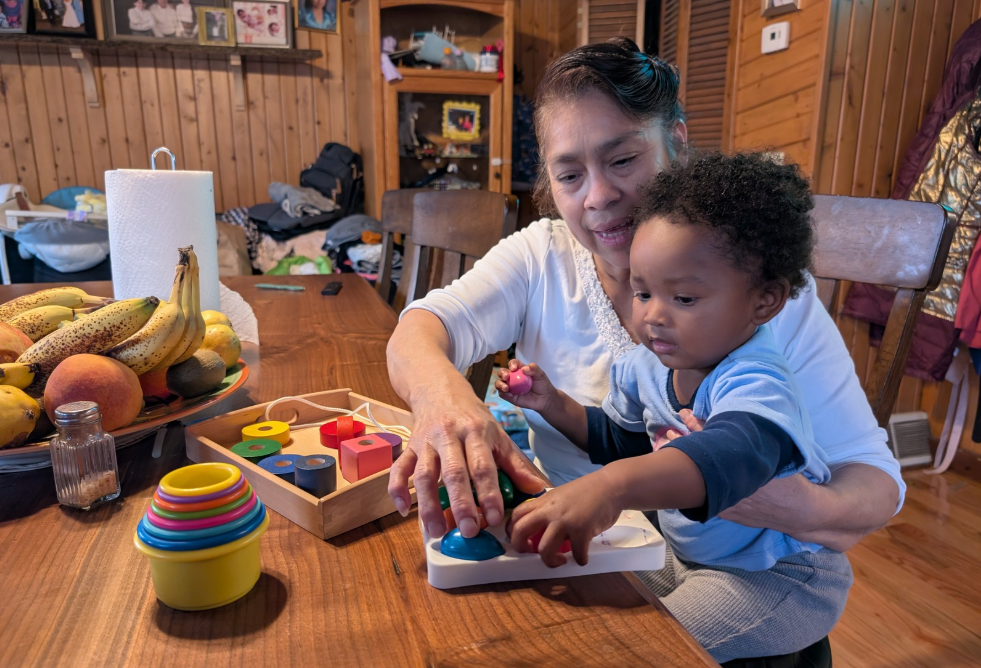
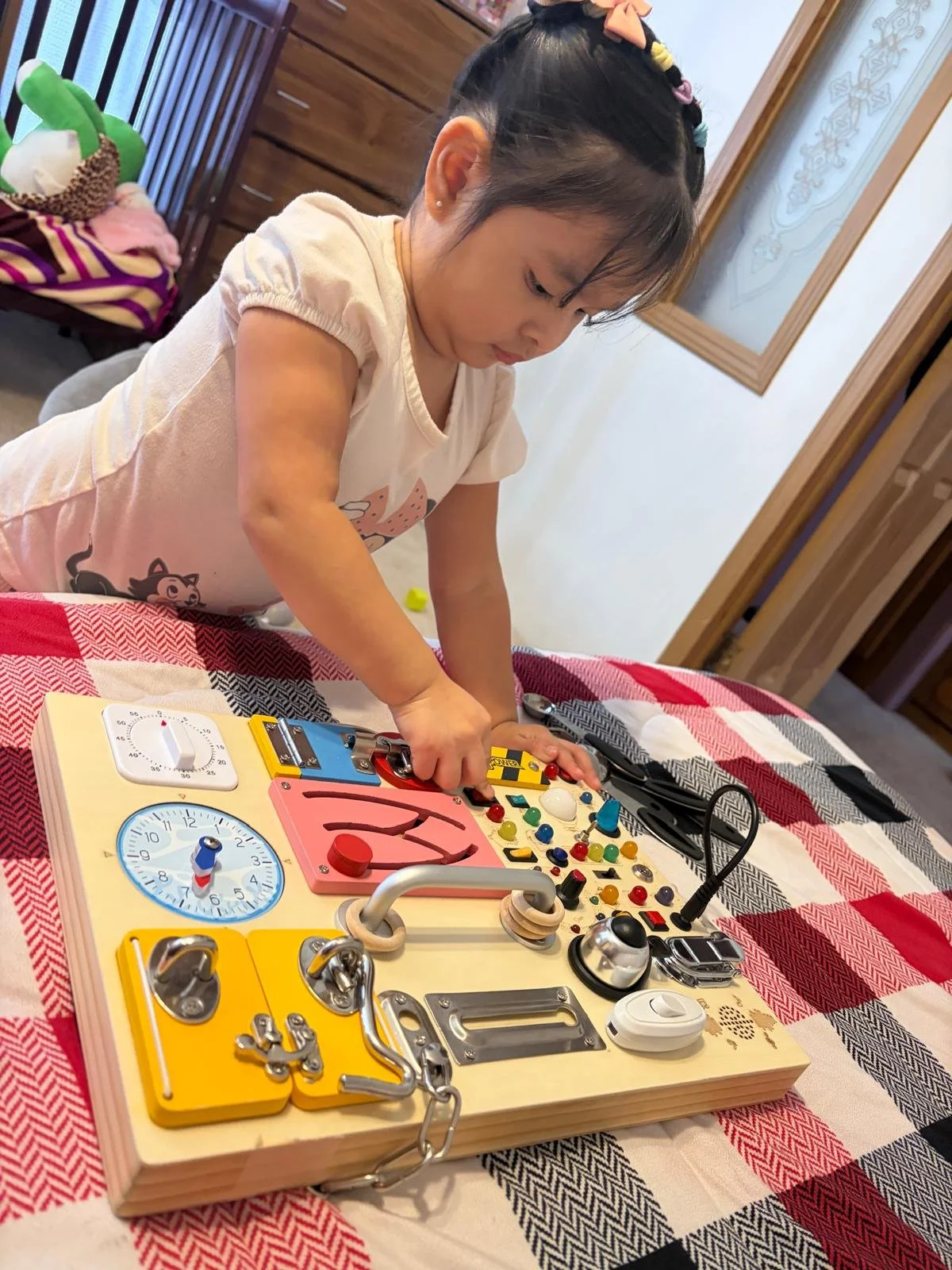
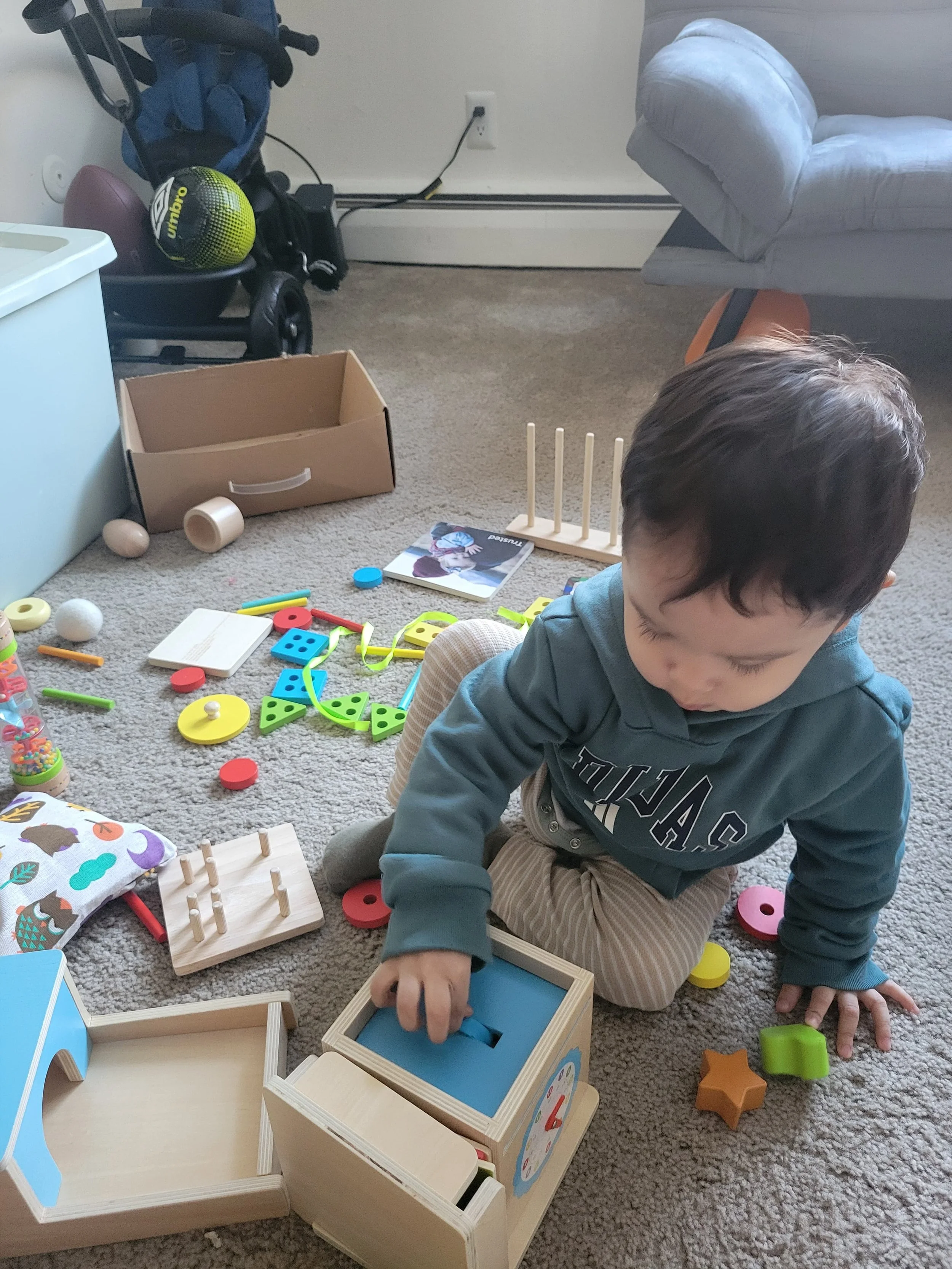
Developmentally appropriate Montessori materials tailored to each child
Connection to essential resources and services (health insurance, Social Security applications, passports, car seats, and more)
Family events that reinforce Montessori principles and strengthen community connections
How We Work
Our family connectors create environments of trust, respect, and cultural responsiveness, honoring the values, traditions, and lived experiences of Latino families.
During each visit, connectors build meaningful relationships with families to better understand the needs of the child, the mother, and the family as a whole. All visits are personalized, and goals are tailored to each family’s unique circumstances. Through observation and connection, family connectors provide guidance, resources, and Montessori-based materials that support each child’s developmental stage.
Who We Serve
The program serves low-income Latino families with children ages 0–3, as well as expectant mothers, in Minneapolis, Mankato, and surrounding communities.
Program Impact
The Montessori Home Visiting Program strengthens family well-being by promoting healthy child development, fostering strong parent-child relationships, and increasing access to critical resources and early childhood education. Through a culturally grounded and relationship-based approach, families are better equipped to support their children’s growth and long-term success.
Contact
Mankato and Surrounding Areas
Xochitl López
(612) 205 9457
Minneapolis and the Metropolitan Area
Lucy Camacho
(612) 433 1766